
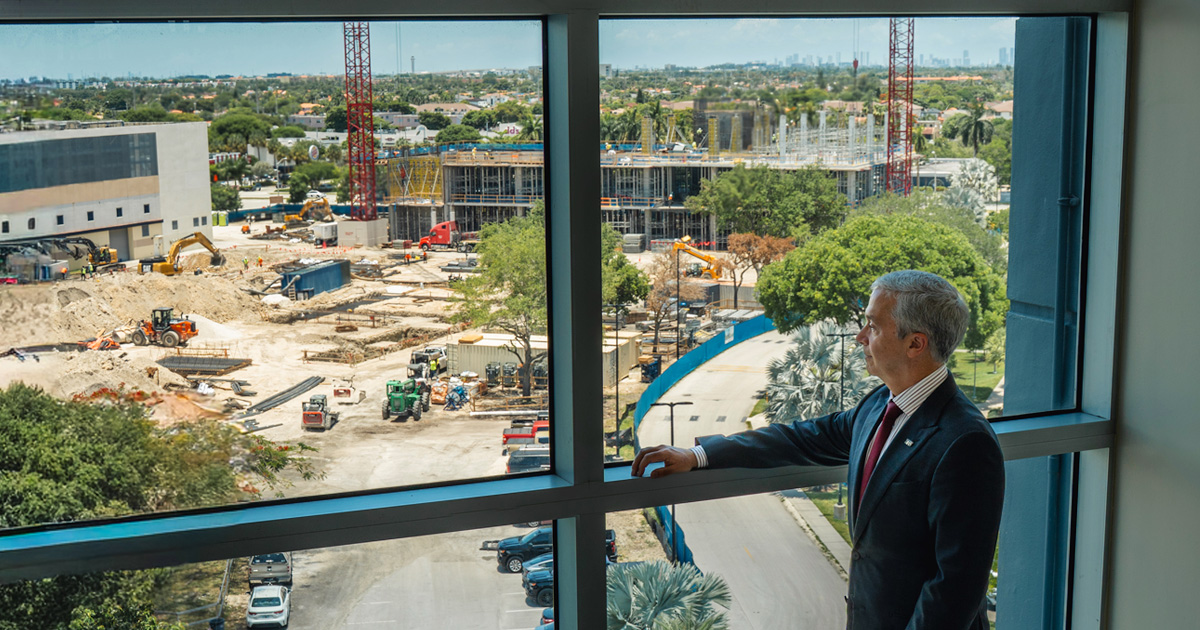
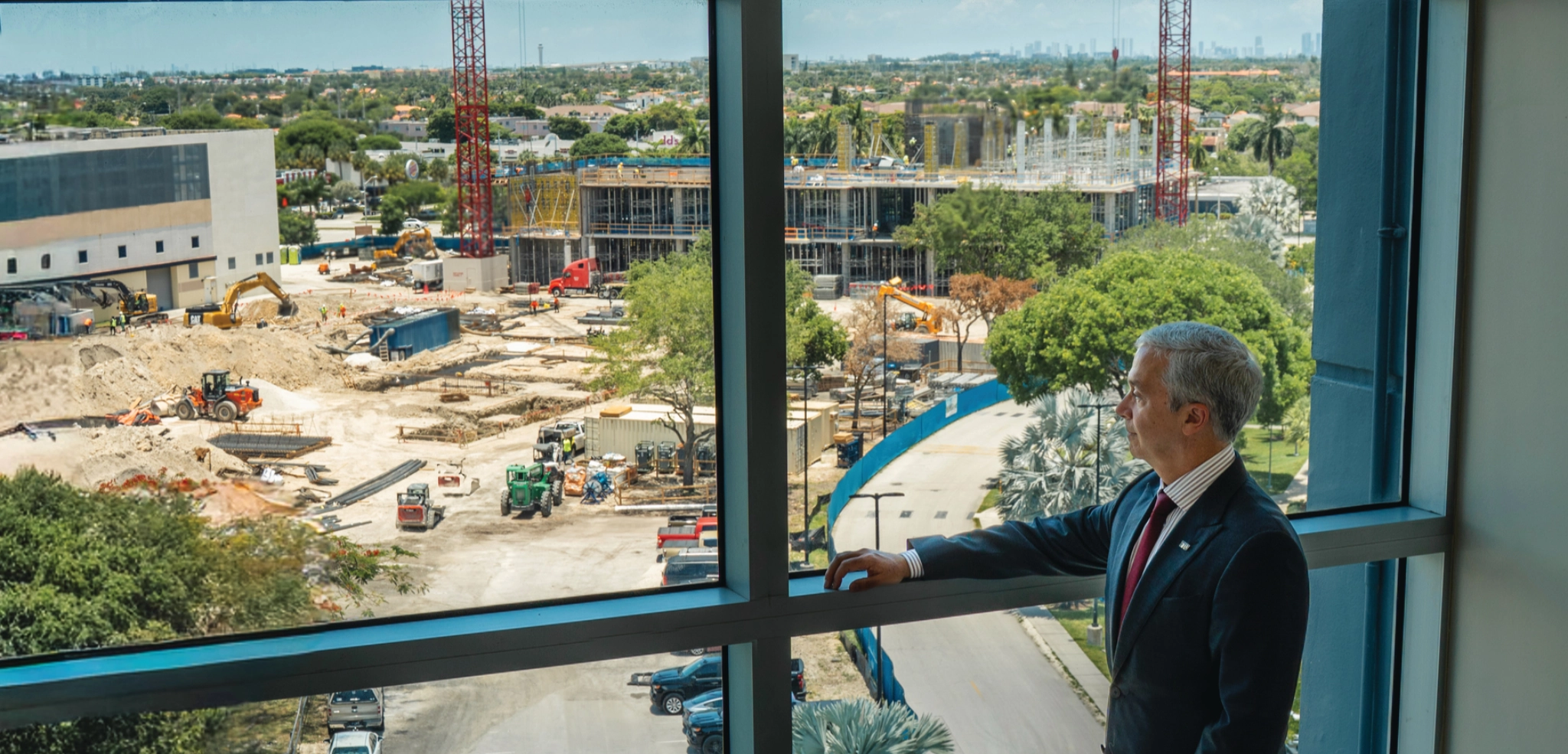
At FIU Medicine, we have reached an inflection point. What began in 2009 as a bold, community-based experiment has developed into a fully integrated academic health enterprise. With foundational clinical partnerships now firmly in place, we are no longer preparing for the future. We are building it, patient by patient, discovery by discovery, and physician by physician.
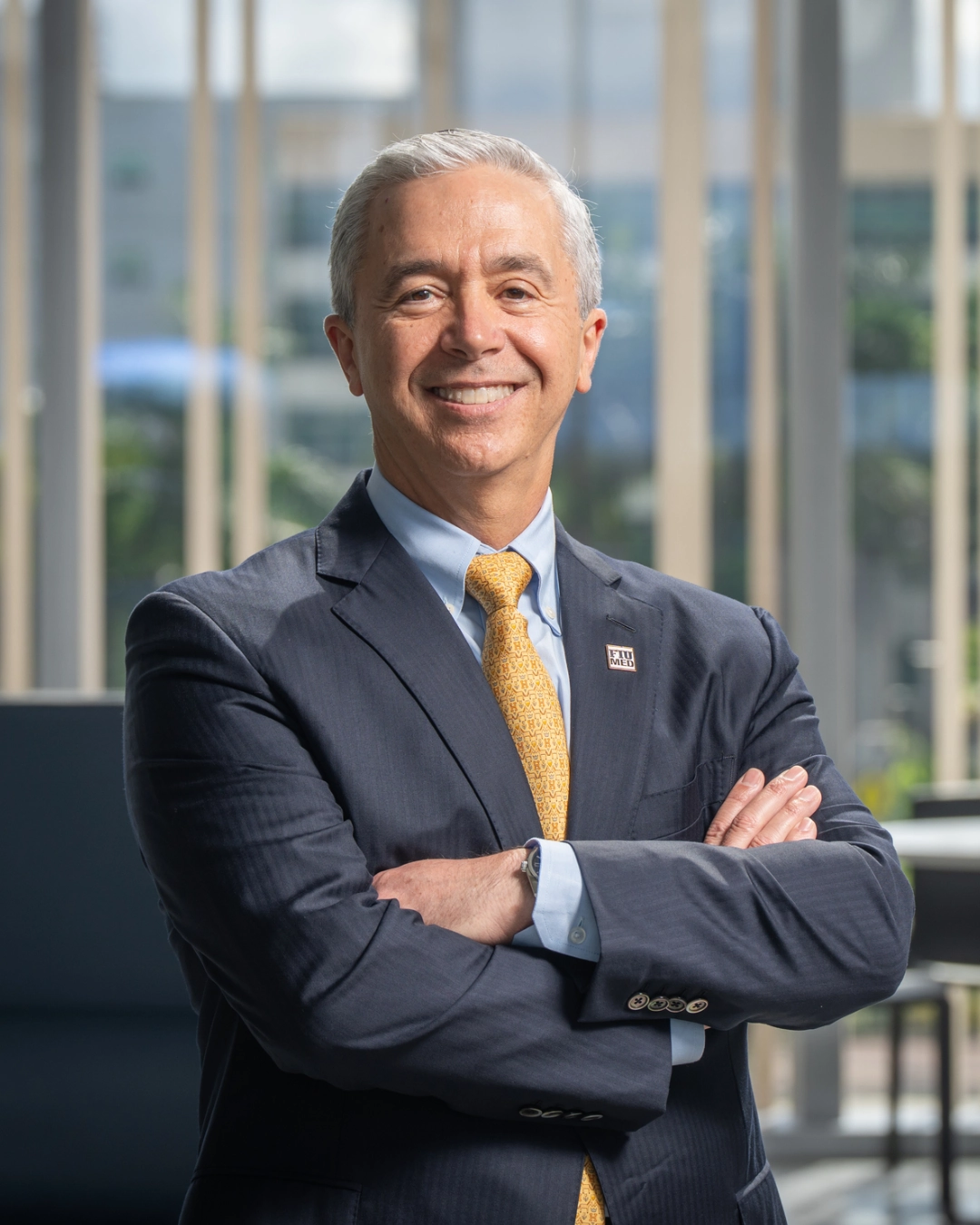
Our partnerships with Baptist Health and Nicklaus Children’s represent far more than agreements on paper. They complete the triad that defines a mature medical school: clinical care, education and research. Our students now train in settings where cutting-edge care is delivered daily, while our clinical partners benefit from the academic innovation that only a university partnership can provide. The result is a system already driving meaningful momentum.
Nowhere is this more evident than in our graduate medical education. Just a few years ago, we served roughly 10 residents annually. Today, we are on track to support more than 525 residents and fellows by 2030.
That same progress is building in research. Our NIH-funded portfolio ranks third fastest-growing in the nation. We are recruiting accomplished scientists whose work aligns with the clinical priorities of our partners: oncology, neuroscience, cardiovascular disease and orthopedics. The recent arrival of internationally recognized researcher Jerry Edward Chipuk signals the caliber of talent we are attracting and the research engine we are building.
This momentum has not gone unnoticed. External confidence in our trajectory reached new heights this year. The Shaham $30 million gift stands as the largest philanthropic commitment in the college’s history, while state appropriations supporting our clinical buildingrepresent the largest single investment to the university.
World-class clinical recruitments further illustrate the point. Specialists, such as Drs. Makoto Hashimoto and David Kalfa, cite FIU’s academic affiliation as a critical factor in their decision to join the community—expanding capabilities that South Florida patients previously had to seek elsewhere.
There is still work ahead. But the foundation is strong, the direction is clear and the progress is real. We are no longer asking what FIU Medicine can become—we are seeing it take shape every day.
Dr. Juan C. Cendan
Dean, Herbert Wertheim College of Medicine
Senior Vice President for Health Affairs, FlU