 w
Children grow. One of life’s simple facts creates a challenge for pediatric heart surgeons.
Around 40,000 infants are born each year in the United States with congenital heart defects; roughly half will need valve repair or replacement. Living donor valves are ideal because they can grow with the child. However, pediatric heart donors are rare, and valves have a very short shelf life, requiring almost immediate transplantation.
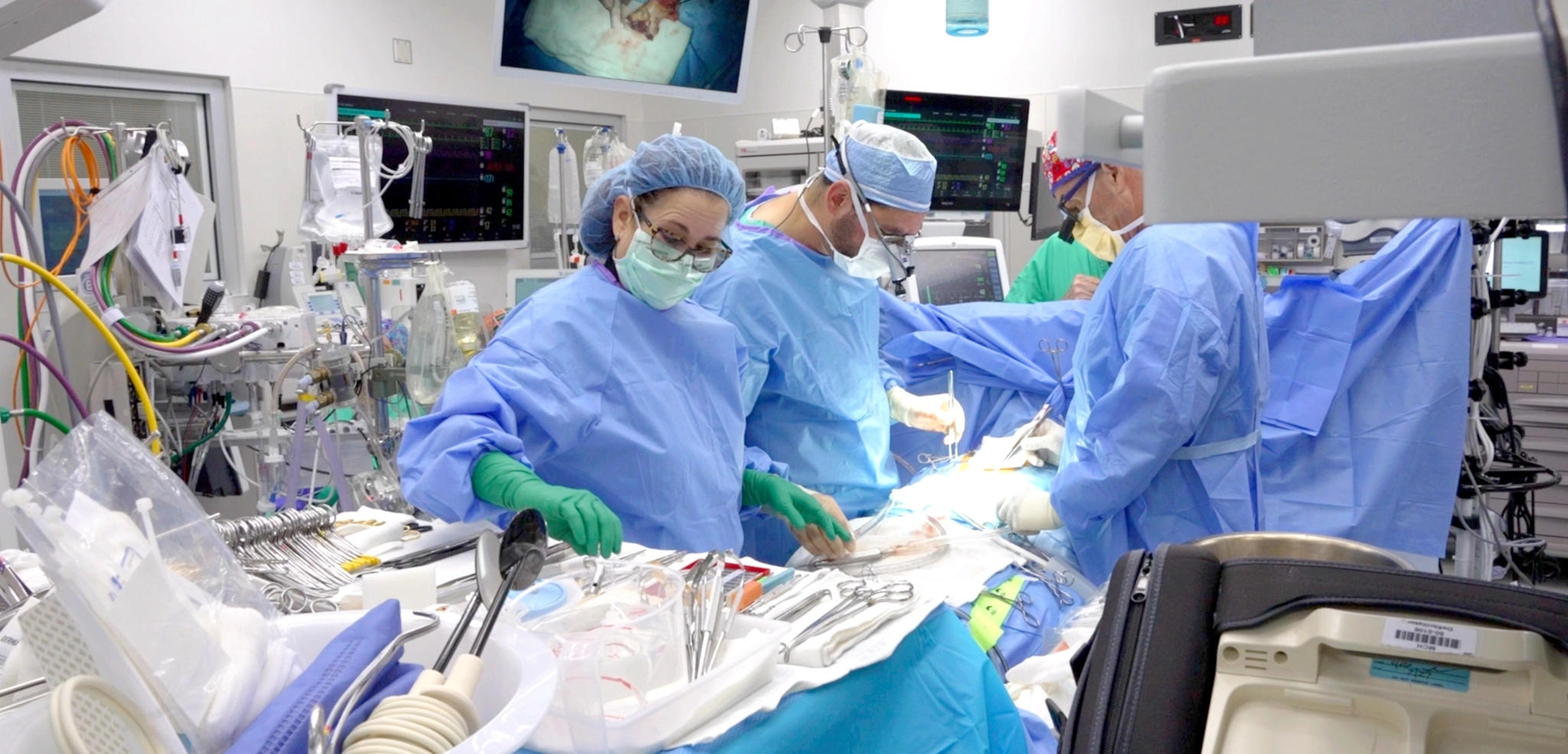
In a landmark procedure earlier this year, Dr. David Kalfa, performed Florida’s first living allogenic valve transplantation — also known as a partial heart transplant — on an 11-year-old who’d already had two prior surgeries. “We finally found an approach that offered our son a long-term solution,” said the boy’s mom, Piera Archilla.
“Partial heart transplantation is redefining what’s possible in pediatric heart surgery,” said Kalfa, a professor and researcher at FIU Medicine and chief of cardiovascular surgery and co-director of the Nicklaus Children’s Heart Institute. “By transplanting a living valve, we’re not just repairing a defect. We’re restoring heart function in a way that allows it to grow naturally with the child. Our goal is to move beyond temporary solutions and provide children with durable, life-changing outcomes.”
Yet living valves present a critical logistical barrier. Under standard conditions, they remain viable for only 24 to 36 hours outside the body—often too little time to find a matching recipient. Many donor valves are wasted.
Most valve transplants use prosthetic or animal-derived valves, which do not grow with the child, forcing repeated open-heart surgeries—often three to five before adulthood, and each operation carries significant risks.
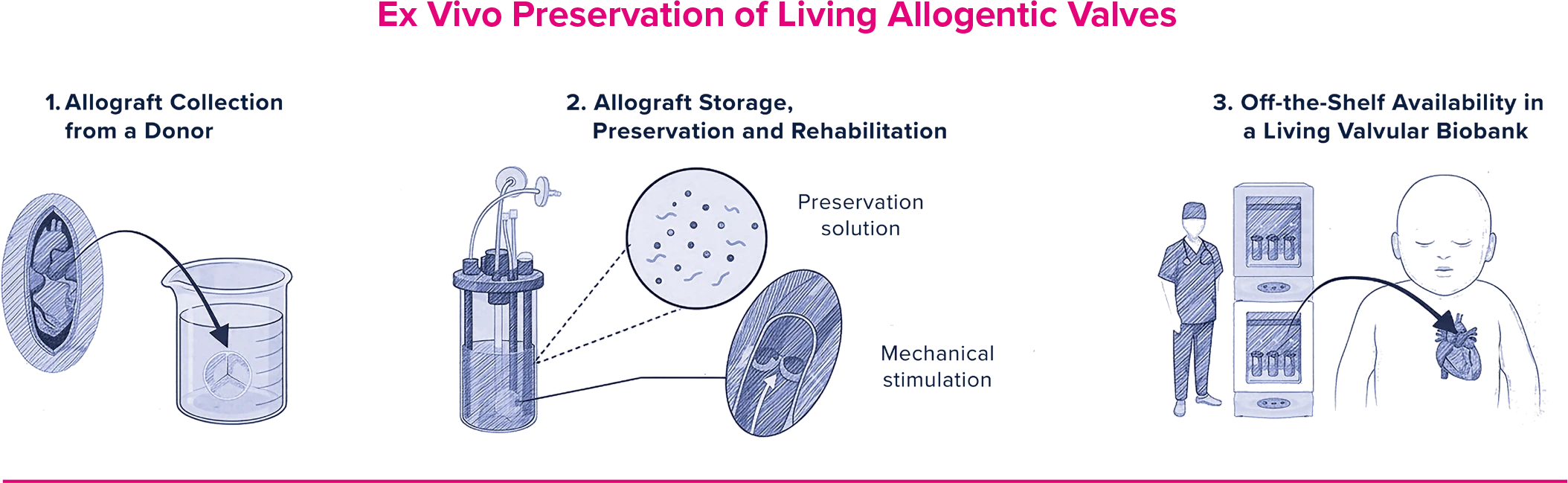
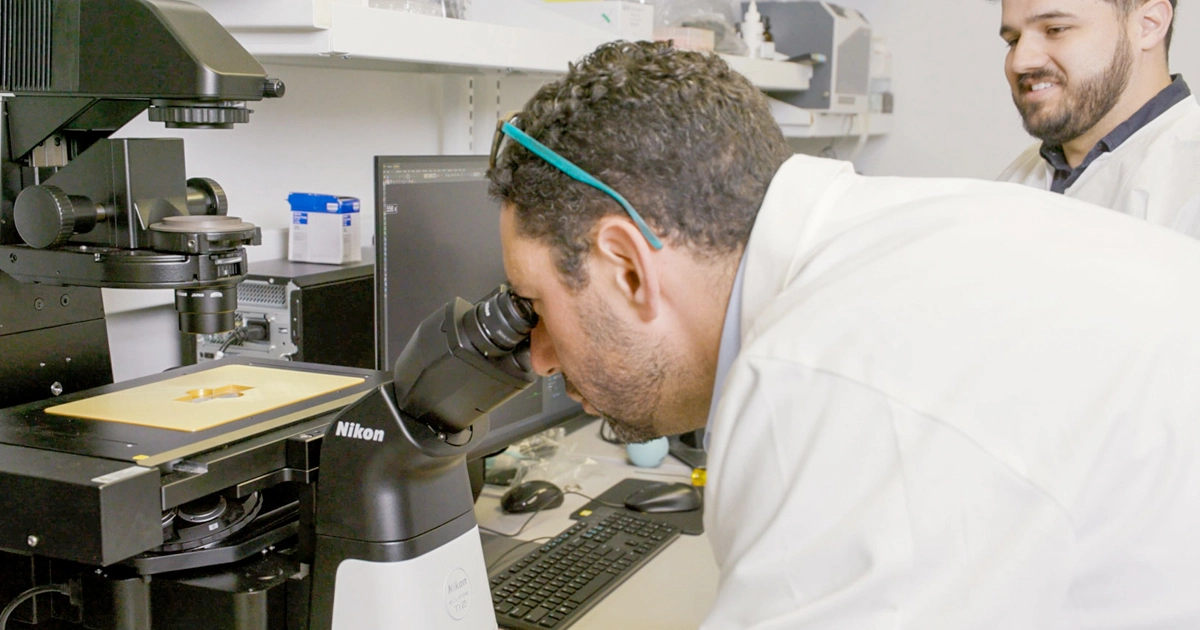
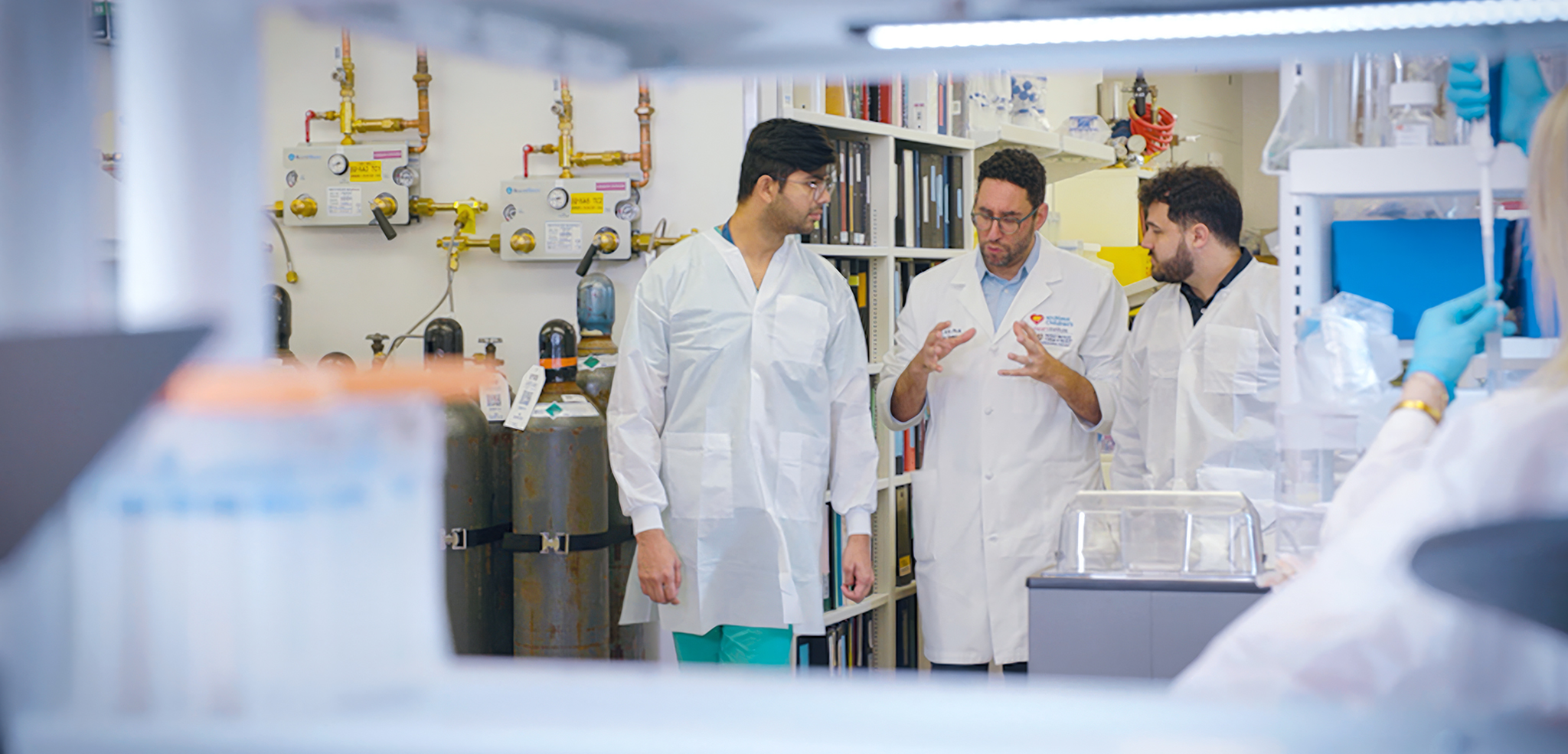
The Kalfa Lab for Congenital Heart Research at FIU is tackling this challenge at its root. Supported by a National Institutes of Health grant, Kalfa’s team has developed a patented preservation solution and a custom bioreactor that dramatically extends the time donor heart valves can remain healthy and functional outside the body.
Tissue is placed in the bioreactor, which delivers gentle pulsing stimulation to mimic a heartbeat and bathes the valve in a nutrient-rich solution that “feeds” the living cells. The result: donor valves can be preserved for almost two months.
“Maintaining this valve alive outside the body has been very, very challenging,” Kalfa explained. “Now we’re able to extend this period of time up to seven weeks. That’s a game changer in our specialty.”
This advance opens the door to “banking” of living valves, much like blood is banked.
“This is definitely a new, exciting frontier,” Kalfa said. “It could increase availability and the chance of having the right valve for the right patient at the right time, transforming the lives of children in South Florida, across the country and the world.”
Daniel Chaparro, a senior research engineer in Kalfa’s lab, notes that 20% hearts for transplantation are lost due to logistical issues — the patient is too far, or there is a size mismatch. “If we could store the valves for a short period of time instead of the valve having to be transplanted immediately, we could help thousands of kids,” he said.
Kalfa’s earlier pioneering work includes the world’s first domino infant partial heart transplant at New York-Presbyterian Morgan Stanley Children’s Hospital. An 8-month-old received a full heart transplant, and the healthy working valves from her old heart were transplanted into a second infant. Kalfa also performed a split-root partial heart transplant that saved three children in 24 hours. Both innovations illustrate the translational potential.
Kalfa’s research does not eliminate the need for immunosuppression to prevent post-transplant rejection, but by solving the shelf-life problem, it removes one of the greatest practical obstacles to the wider use of living valves.
For families facing a future of repeated open-heart operations, the ability to bank growing tissue represents a concrete step toward fewer surgeries, better long-term survival and more ordinary childhoods.