
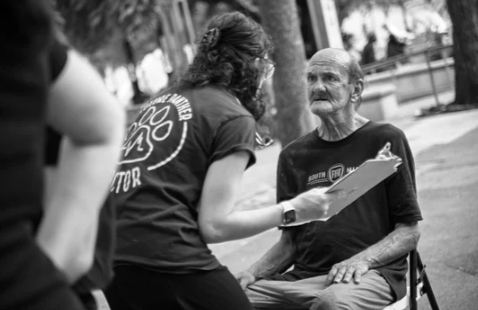
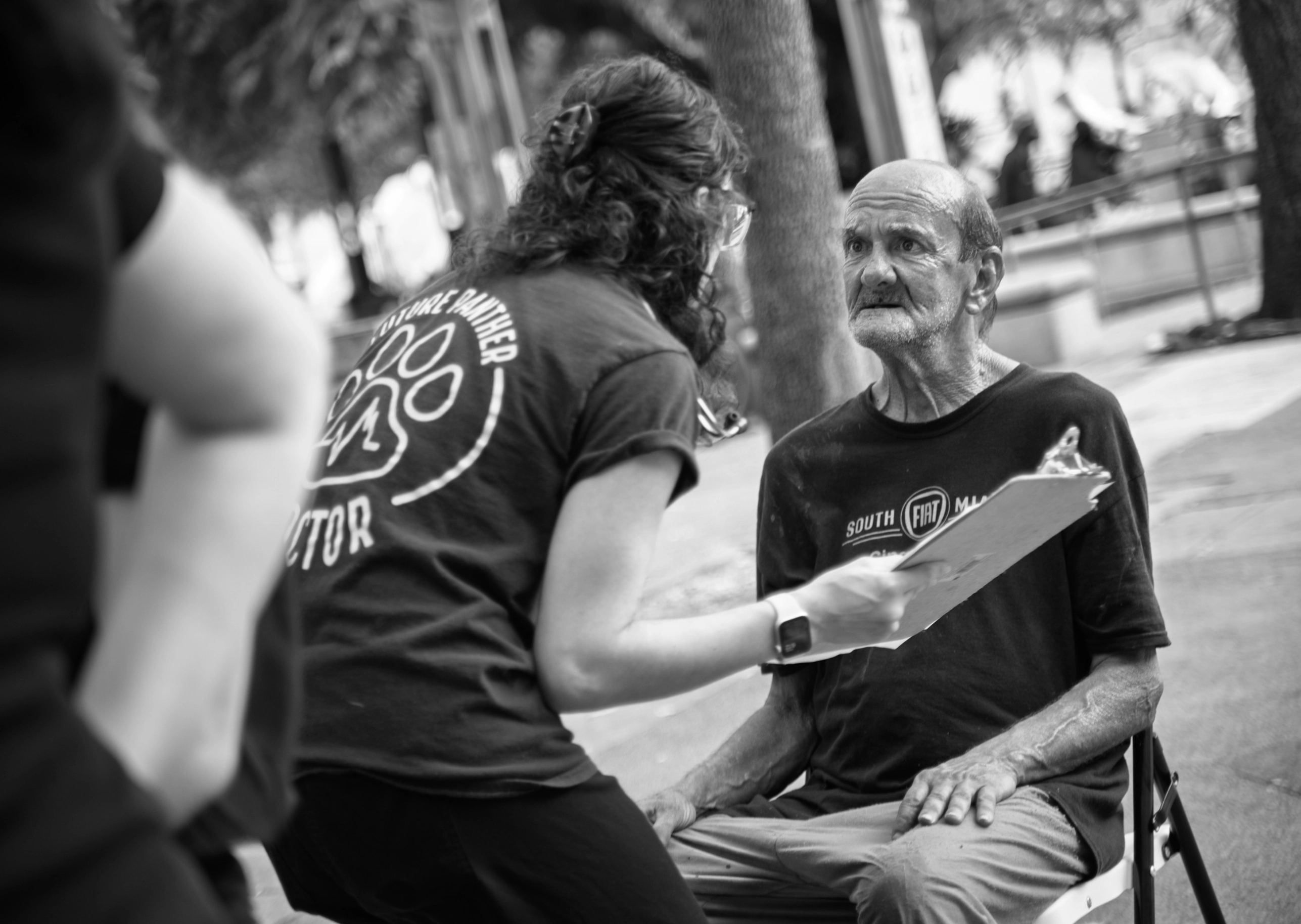
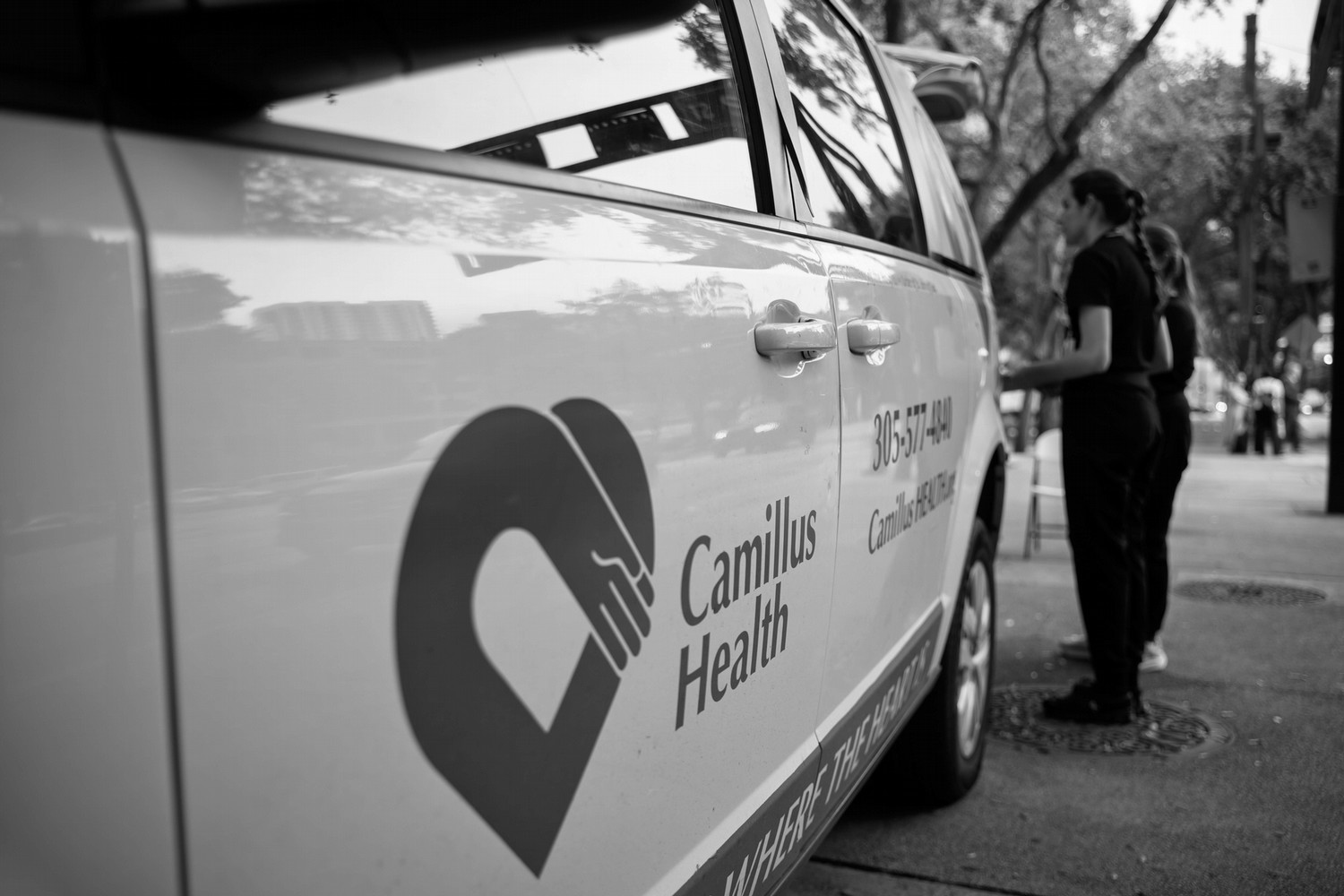
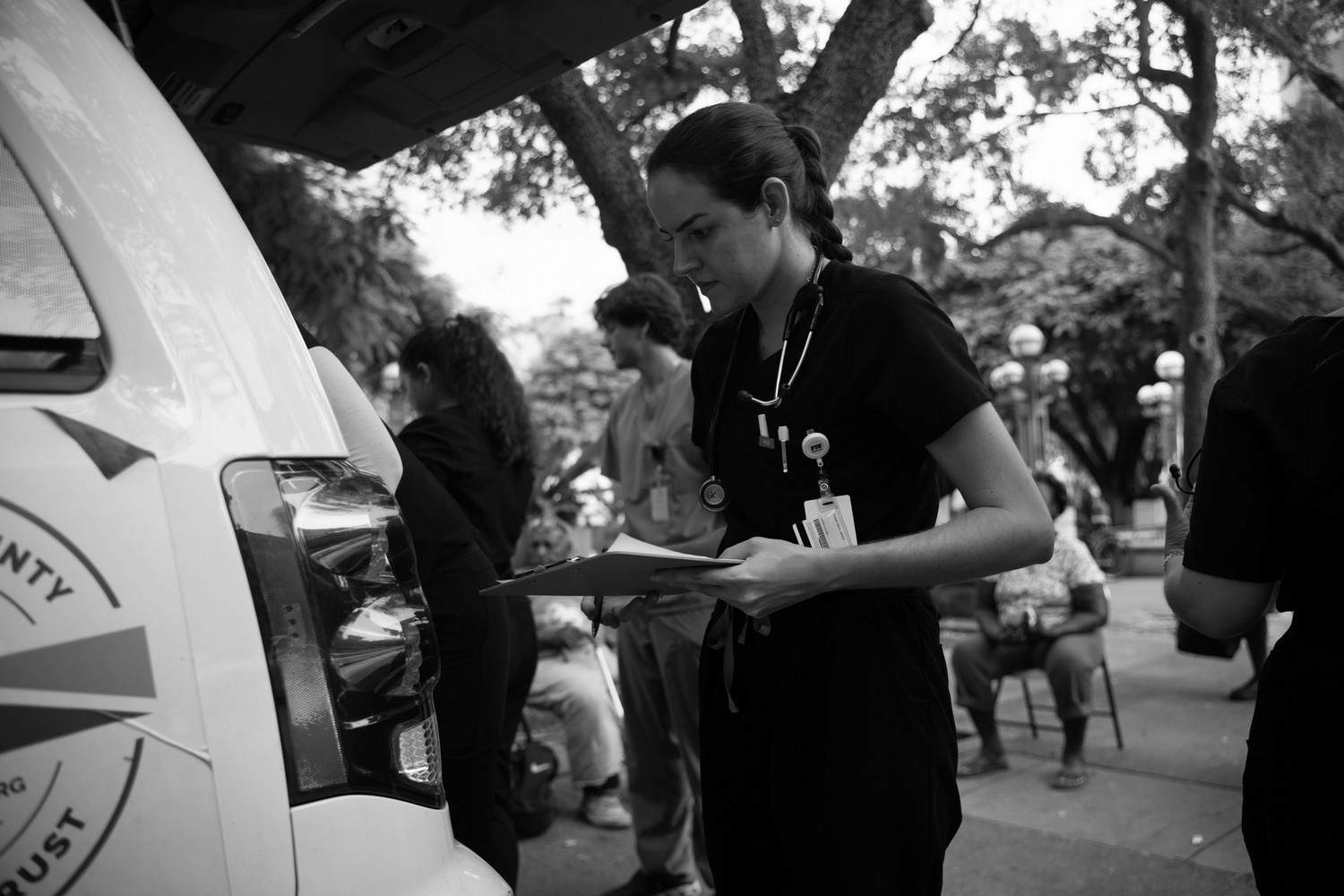
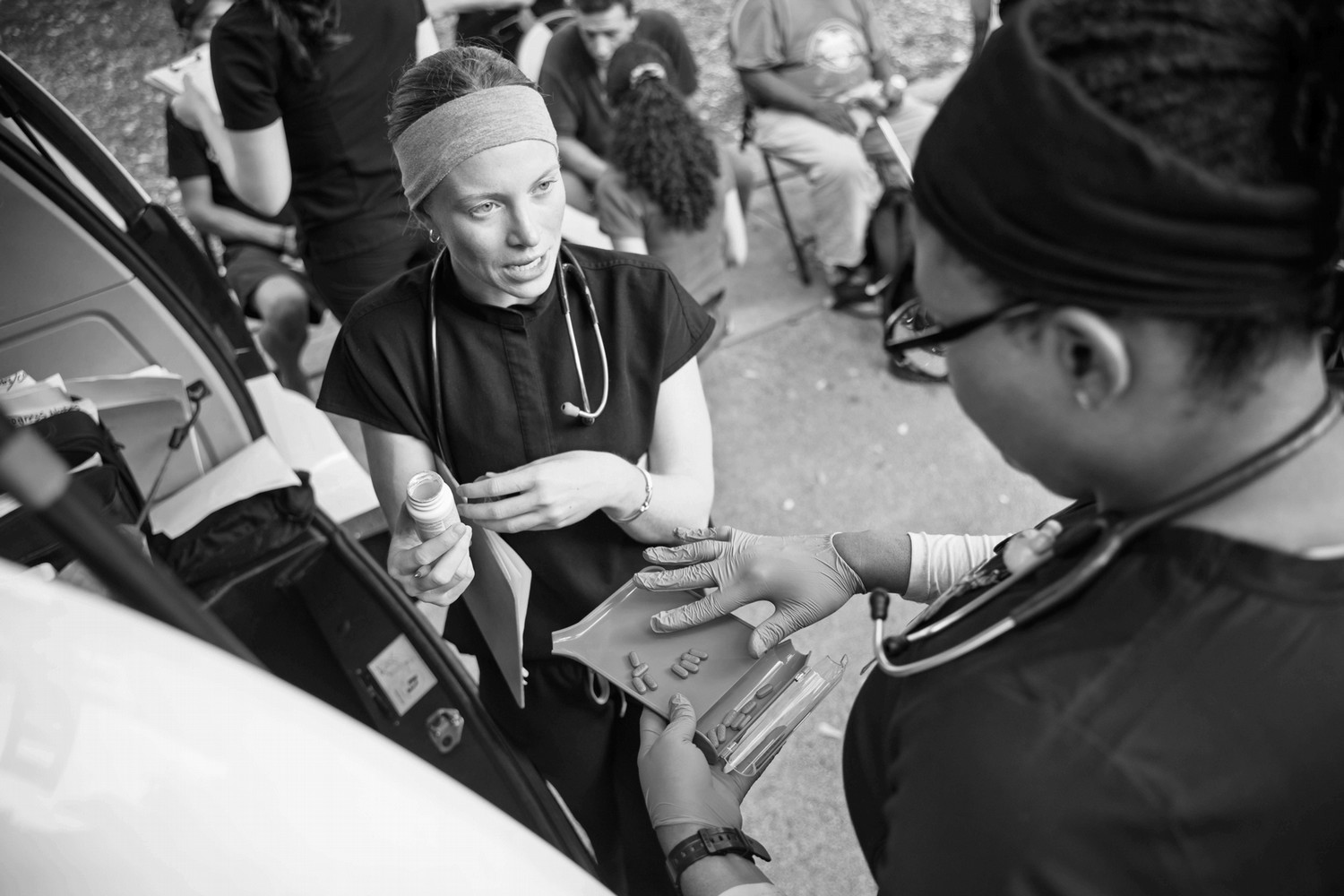
On Thursday afternoons in downtown Miami, FIU medical students set up folding chairs beside a van stocked with basic medications, wound supplies and hygiene kits.
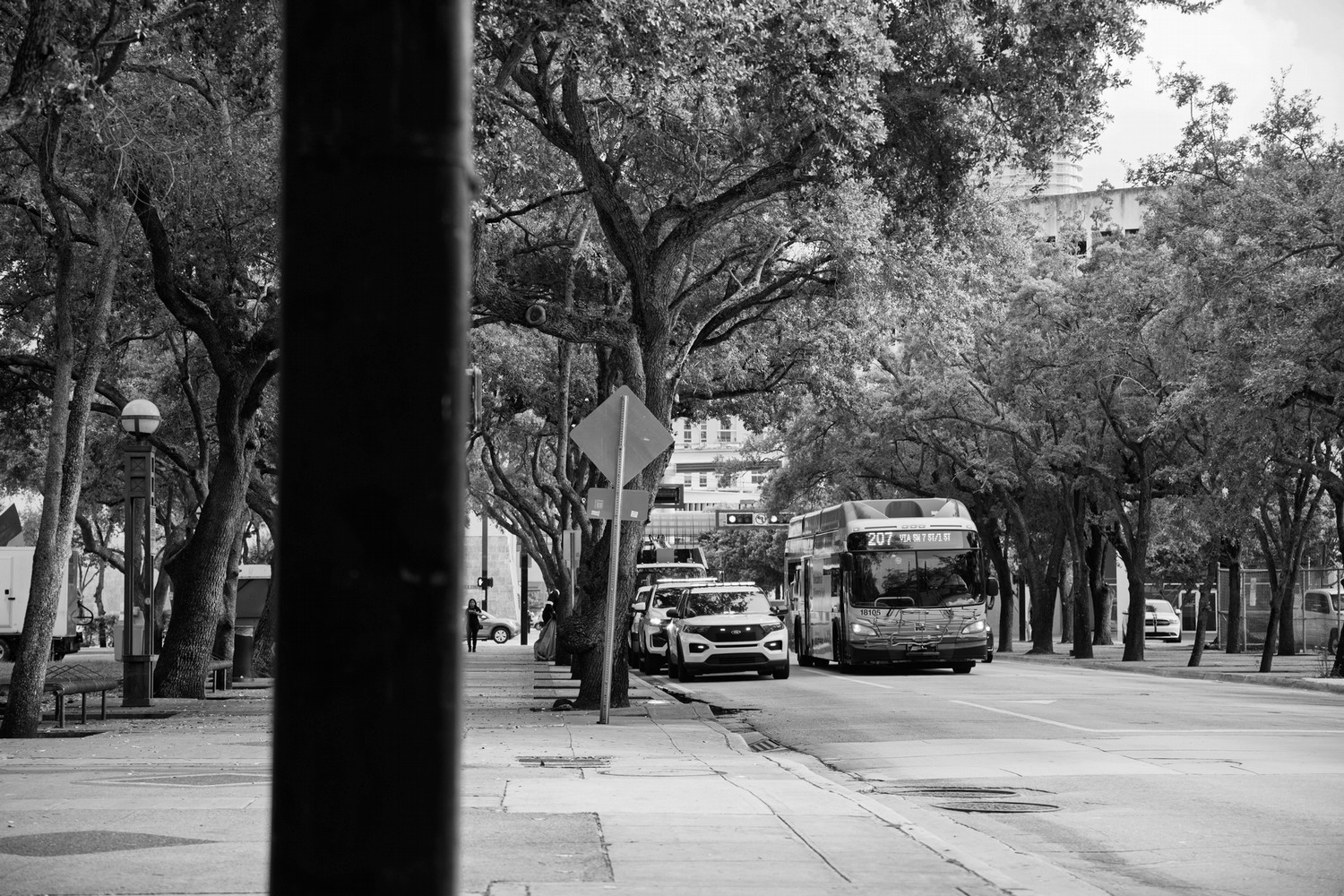
The Miami-Dade County Government Center towers nearby. A rooster strolls by. And homeless men and women approach—some regulars seeking weekly wound care, others new faces drawn by word of mouth. Under the supervision of clinicians from FIU Medicine and Camillus Health Concern, the students check blood pressure, treat minor infections, distribute clean clothes when possible, and listen.
This is FIU HOME—Houseless Outreach for Medical Equity—a student-led program that delivers immediate care while training future physicians in resource-limited settings. Founded by alumnae Ashley Newsholme, M.D. ’25, Rachel Siretskiy, M.D. ’25 and, Nicole Moscoso, M.D. ’26 while they were students, FIU HOME partners with Camillus Health Concern to fill the gap they identified: individuals without stable housing could not access the college’s Green Family Foundation NeighborhoodHELP program.
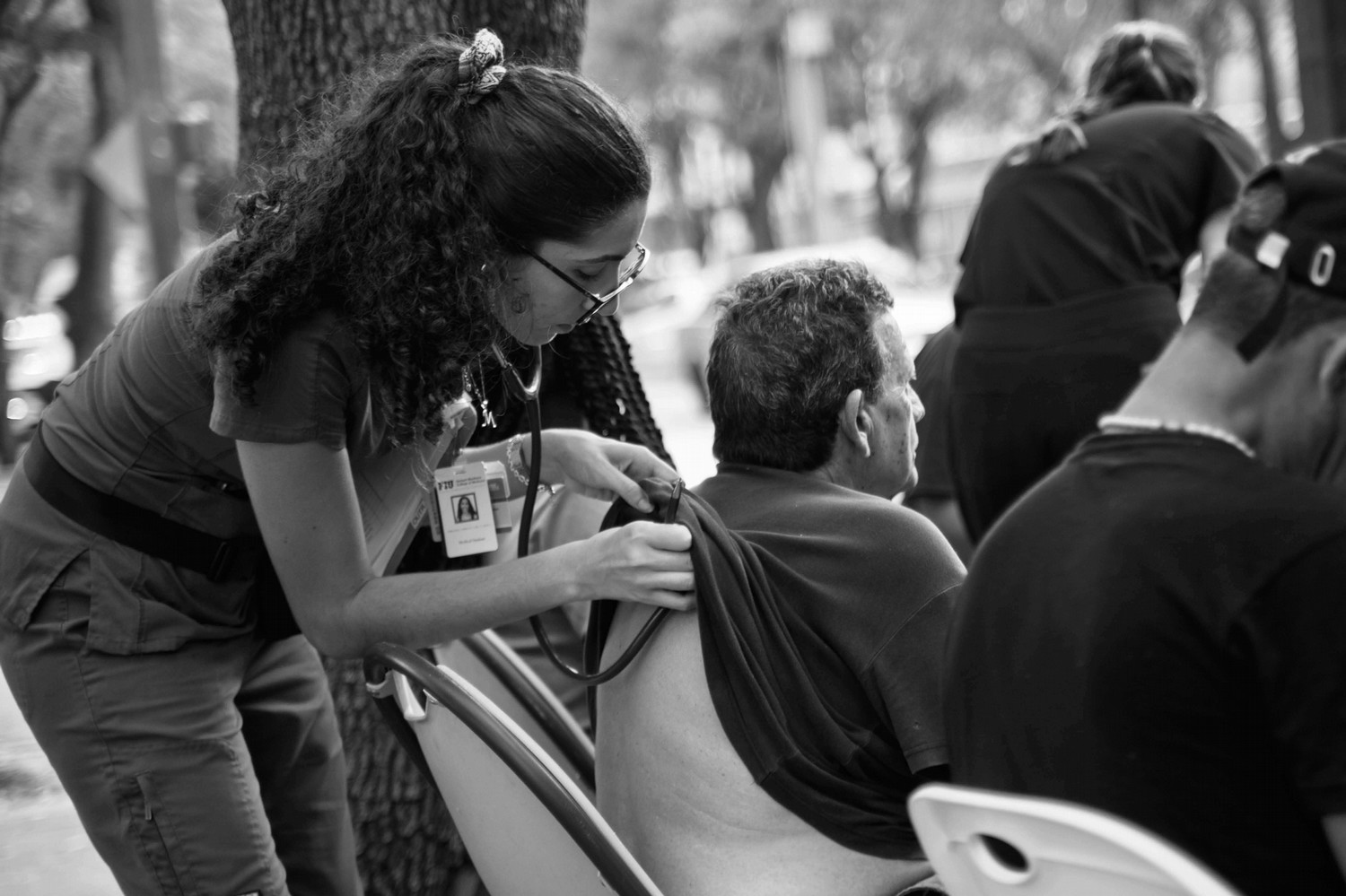
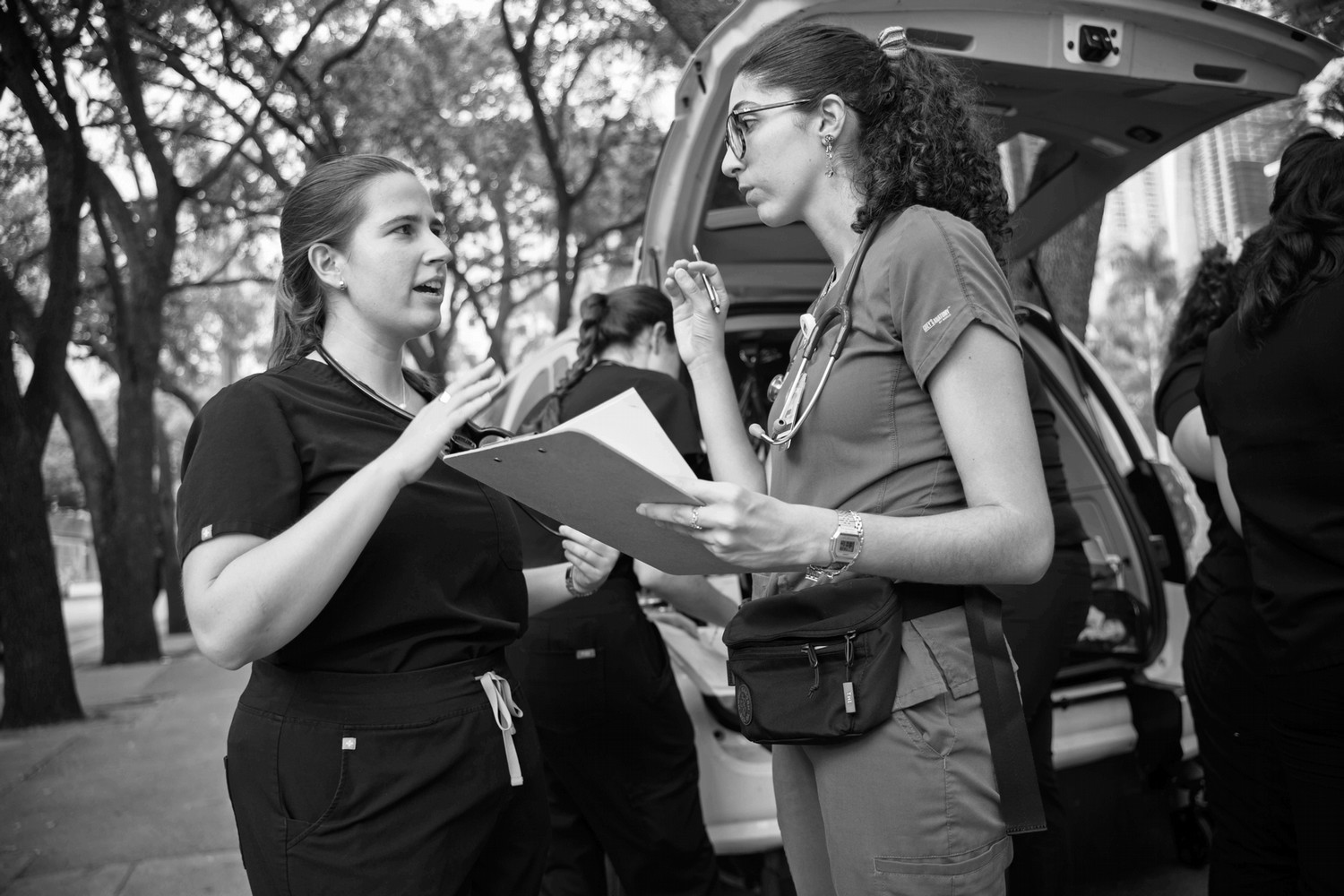

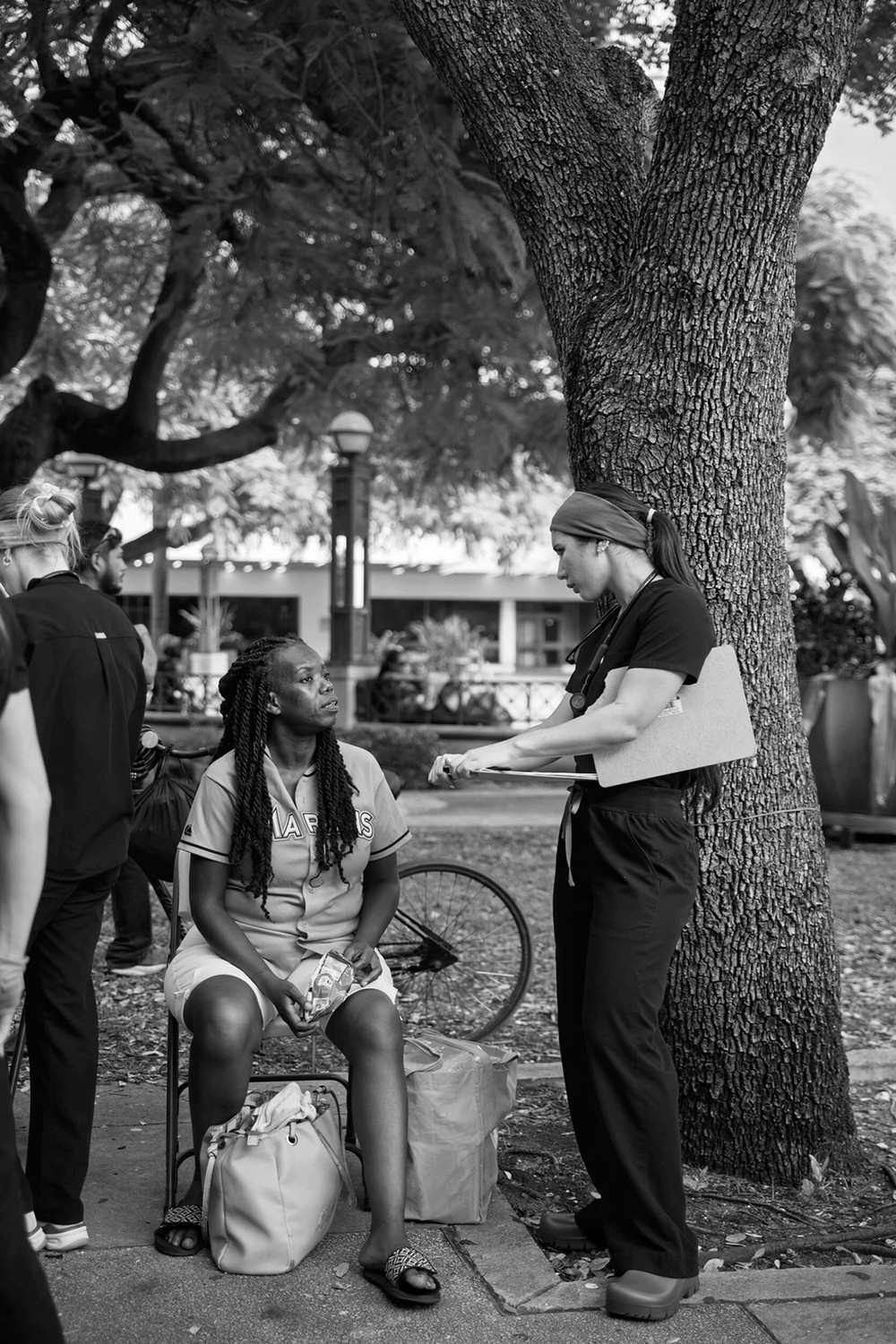
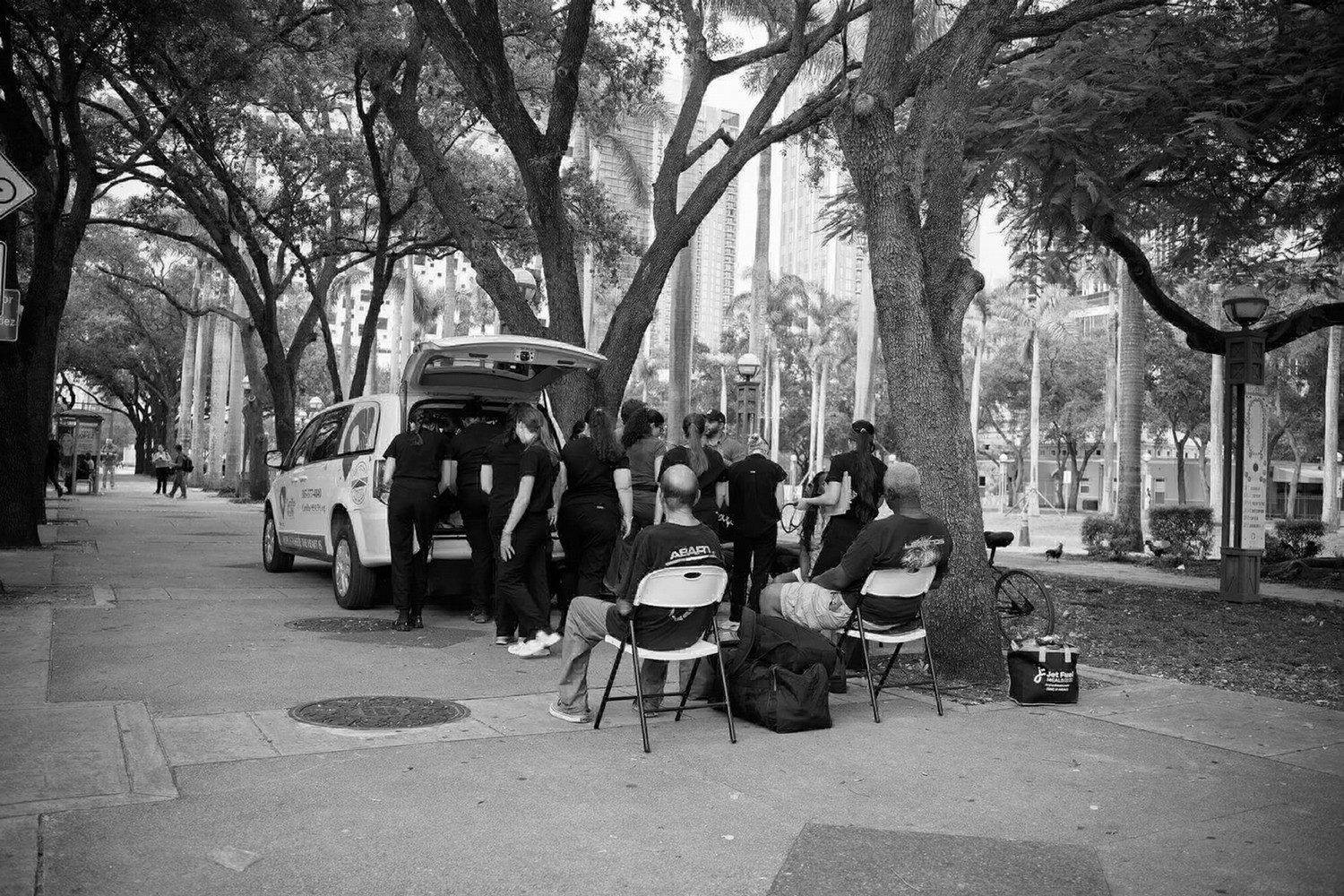
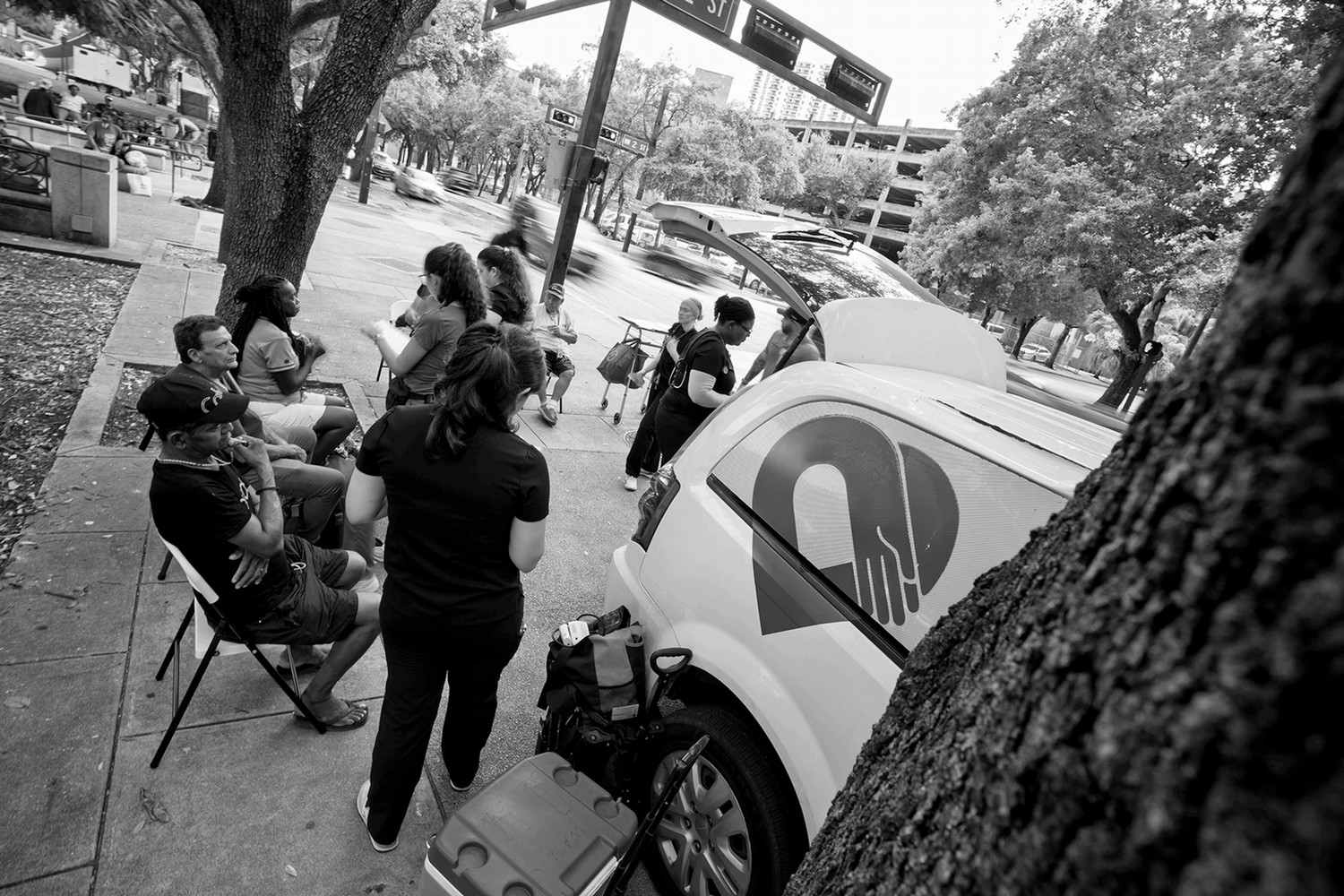
“Our goal is to meet houseless patients where they are, to provide care that is free of stigma or judgment,” Siretskiy said. “At the same time, we aim to expose students to non-traditional healthcare settings, allowing them to cultivate creativity and resourcefulness—skills they can carry into any healthcare environment.”
Third-year student Sui-Ling Perez, who joined near the end of her first year and now serves on the program’s leadership team, describes the work as medicine in its rawest form.
“You strip away everything you take for granted in a clinic—the vital machines, the thermometers on the wall—and meet the person where they’re at,” she said. “You do your best with limited resources to address the most immediate problem. This is where social determinants of health matter most.”
One lesson came while treating a man with scabies. Standard multi-day dosing was impractical; medications are often stolen or confiscated. Students adjusted to a higher single-day dose, arranged clean clothes and directed the patient to a shower at the nearby clinic.
“You have to be craftier,” Perez said. “You still find a solution despite the limitations.”
Another lesson for Perez came when she met a young man in his twenties living on the street with mild schizophrenia. His bag—holding everything he owned, including his medication—had just been stolen after he was robbed and beaten, yet he joked about the ordeal and focused only on what he could control.
“That encounter taught me a lasting lesson in perspective and resilience that continues to shape how I approach medicine and hardship,” Perez said.
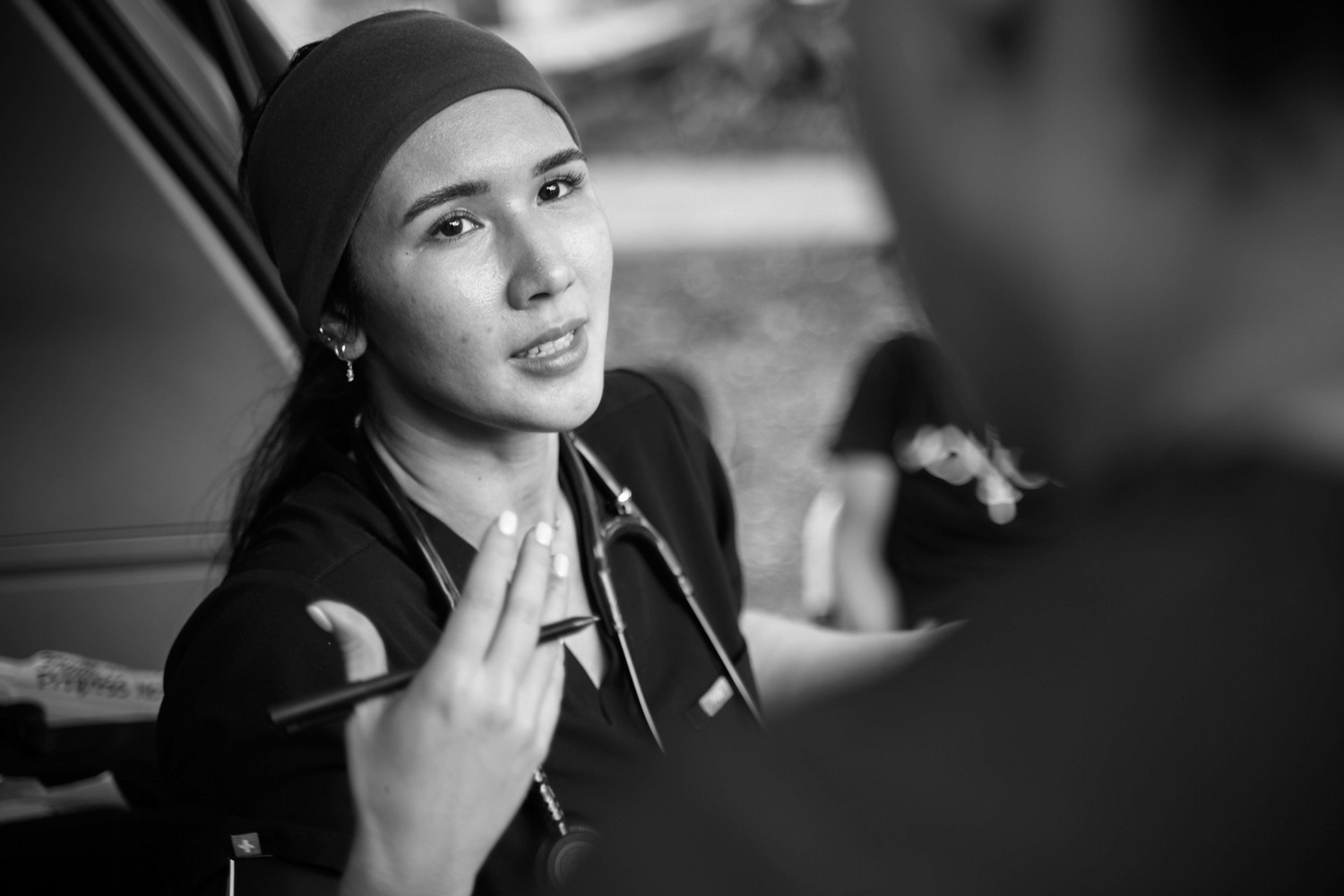
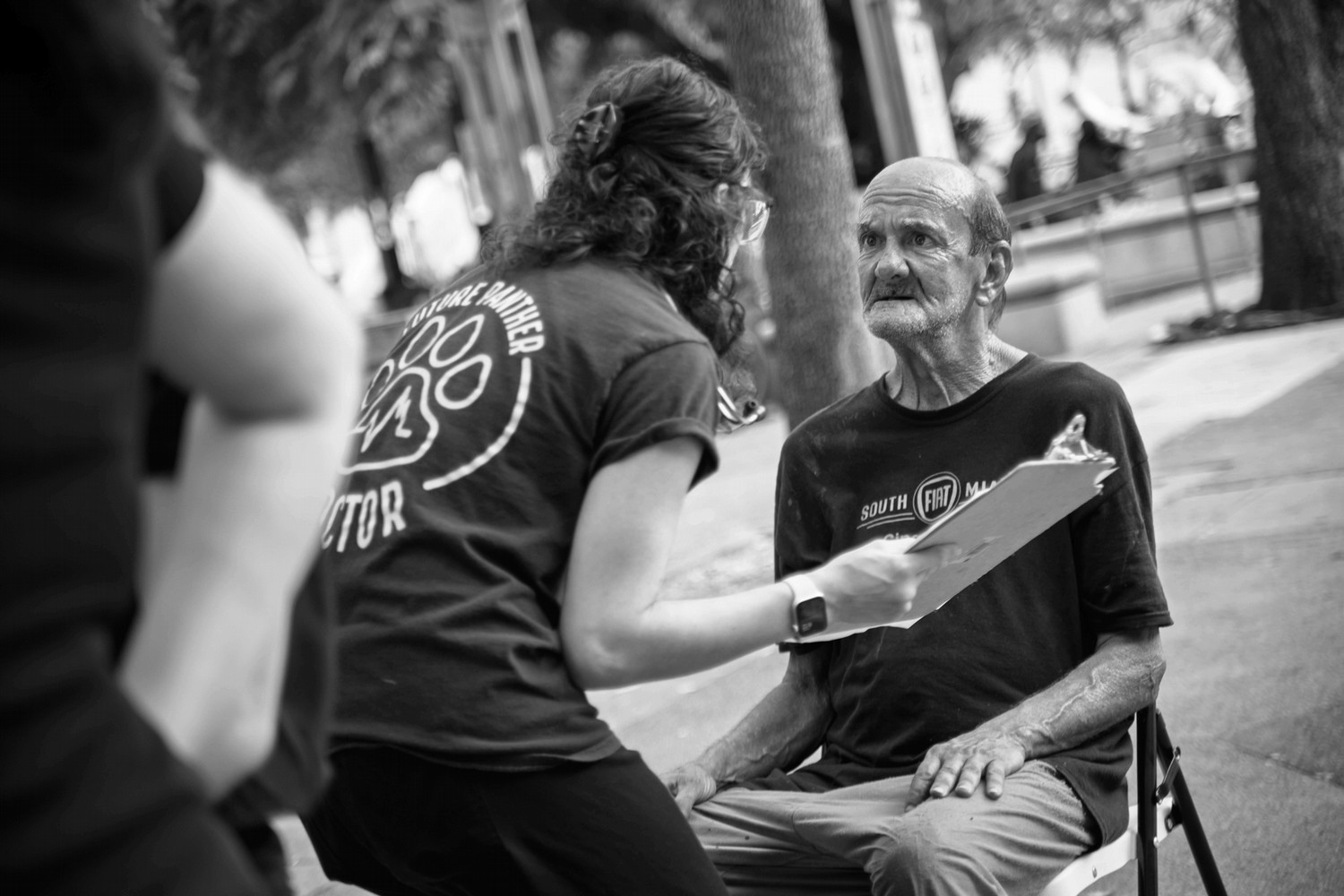

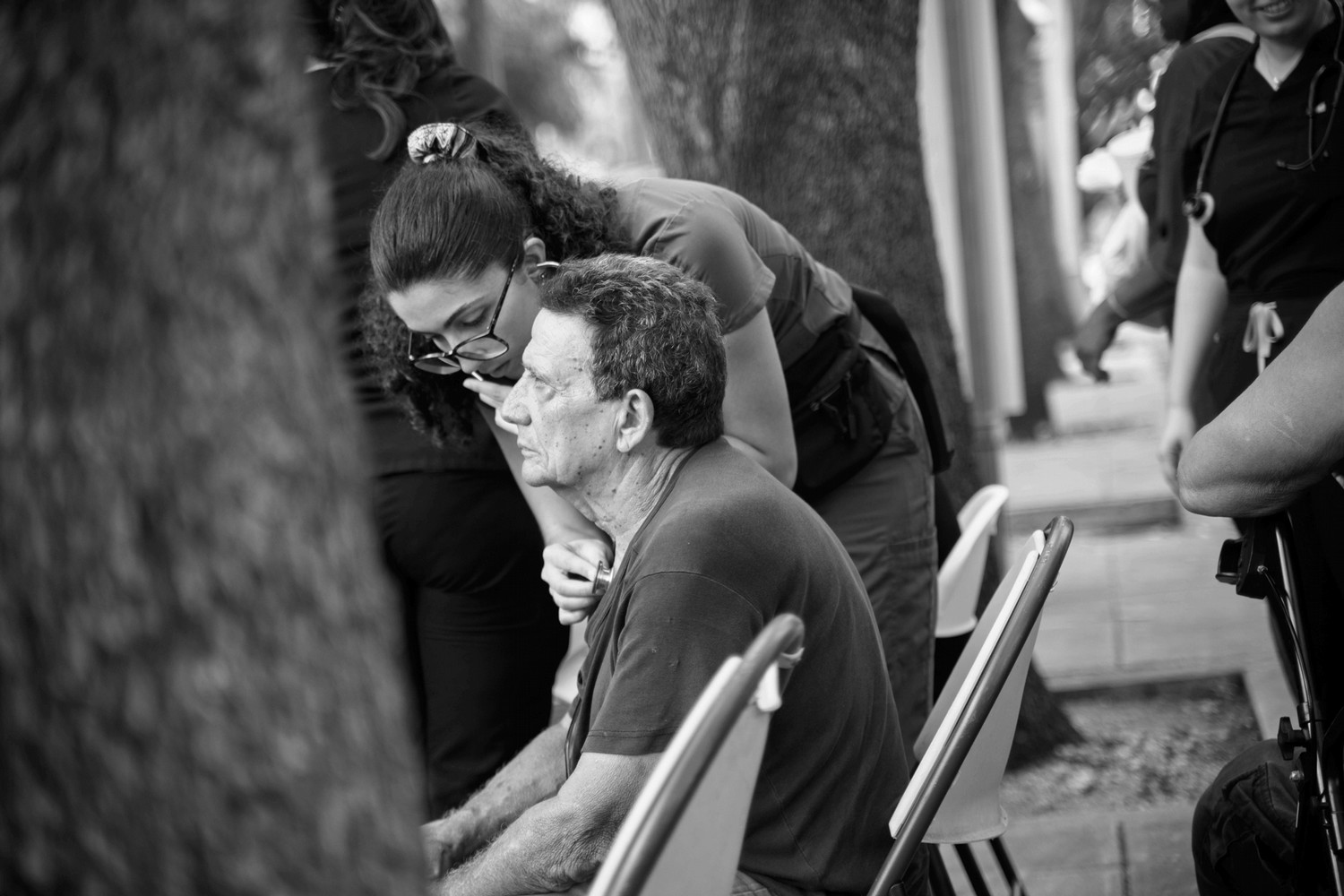
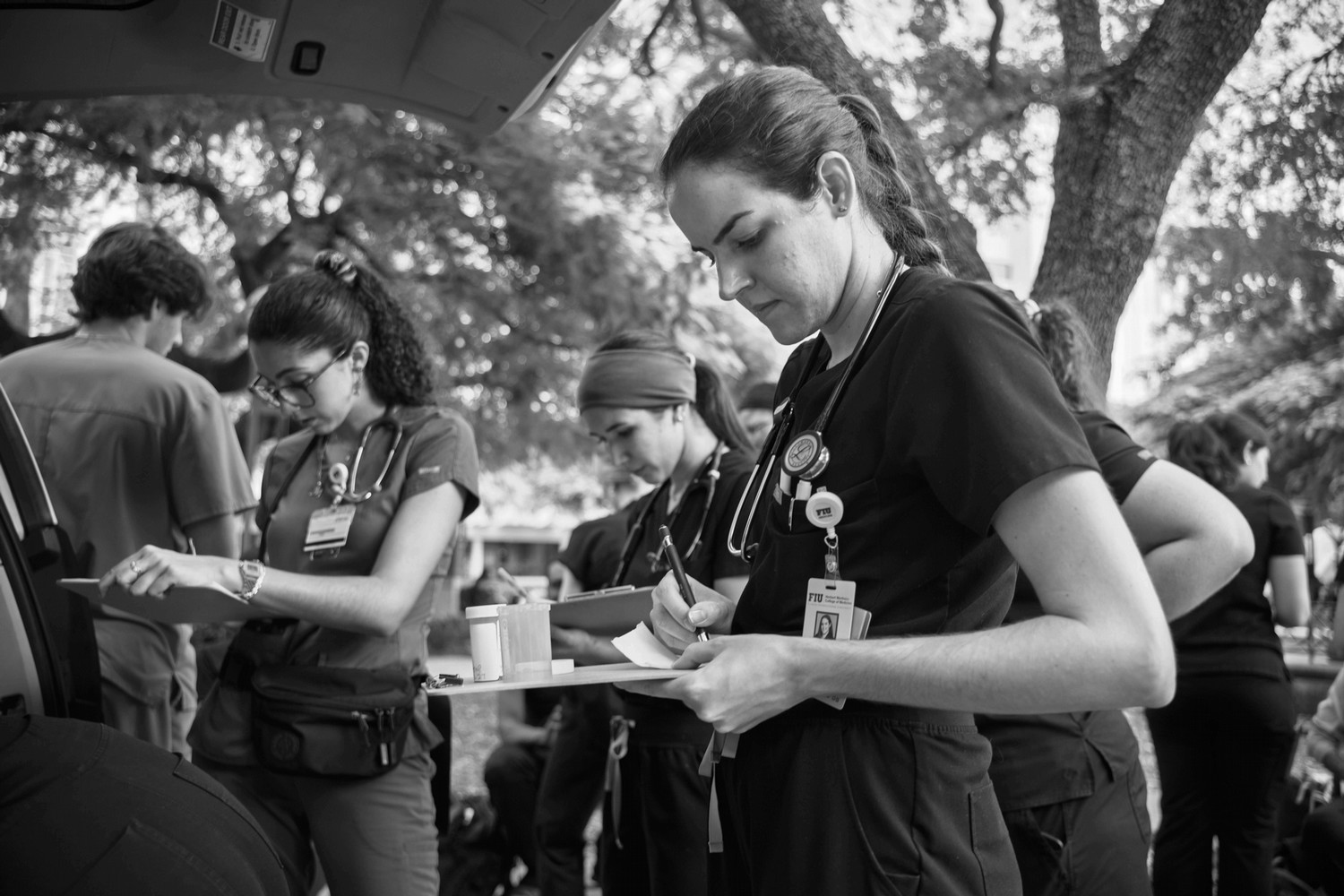
Equally powerful are the human connections. Patients sometimes simply want to be seen and spoken to as equals.
“A lot of times it’s been a long time since they feel acknowledged,” Perez noted. Those encounters, she believes, will shape her future practice—possibly in anesthesiology—by forcing her to consider what happens after a patient leaves the hospital: infection risk, pain control, continuity of care in a city with a large unhoused population.
Fellow third-year student Saba Khan, now a co-director who has logged more than 80 hours on outreach, recalls a patient who shared her birthday. Over repeated visits, she helped him learn the names and purposes of his blood-pressure medications, then encouraged him to seek ongoing care at the clinic a few blocks away rather than rely solely on street medicine.
“We empower patients to take autonomy over their own health,” Khan said. “Street medicine connects people to resources, but it can become a problem if it remains only a temporary fix.”
The experience also builds clinical courage. Students learn to ask about substance use, mental health and suicide risk without the safety net of a graded simulation.
“Our school teaches us about these topics, but you don’t get the experience until you actually do it,” Khan said.
That comfort has already influenced her on hospital rotations, where she advocates for addressing underlying issues even when the immediate focus is acute illness.
Dr. Sofia Ruiz-Castañeda, an assistant professor at FIU Medicine who supervises student household visits through the Green Family Foundation NeighborhoodHELP program, comes out with the students nearly every outreach and sees the transformation clearly.
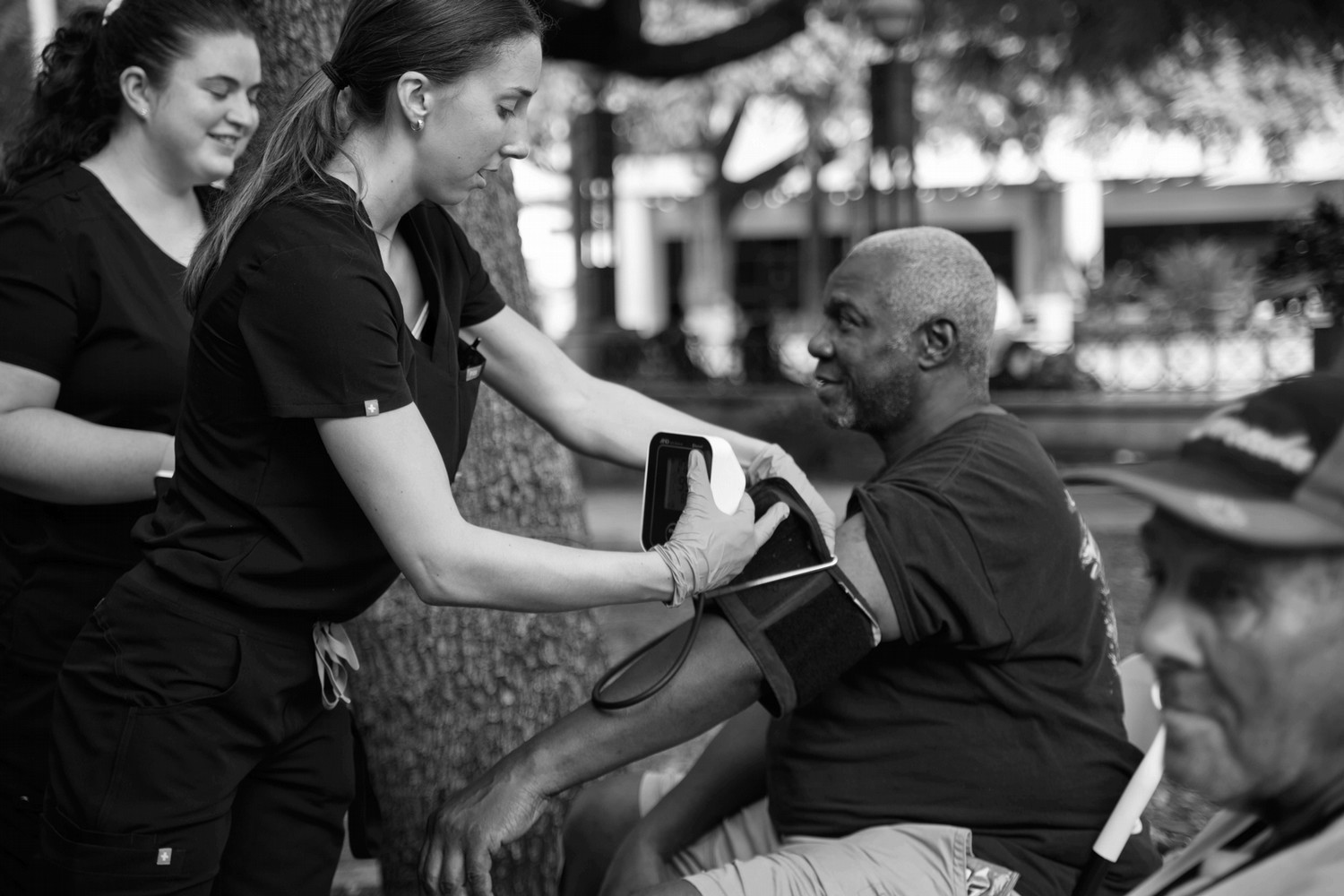
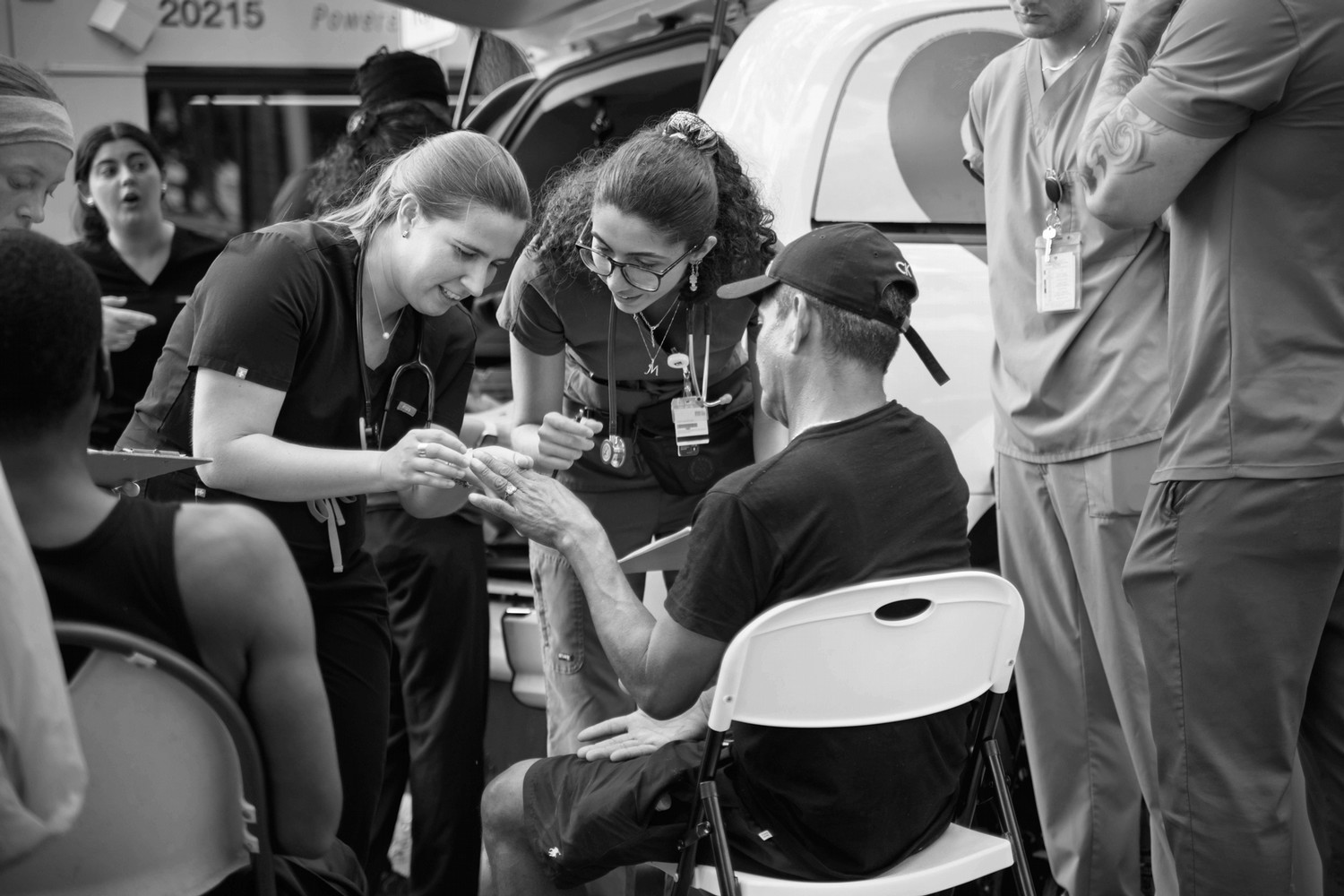
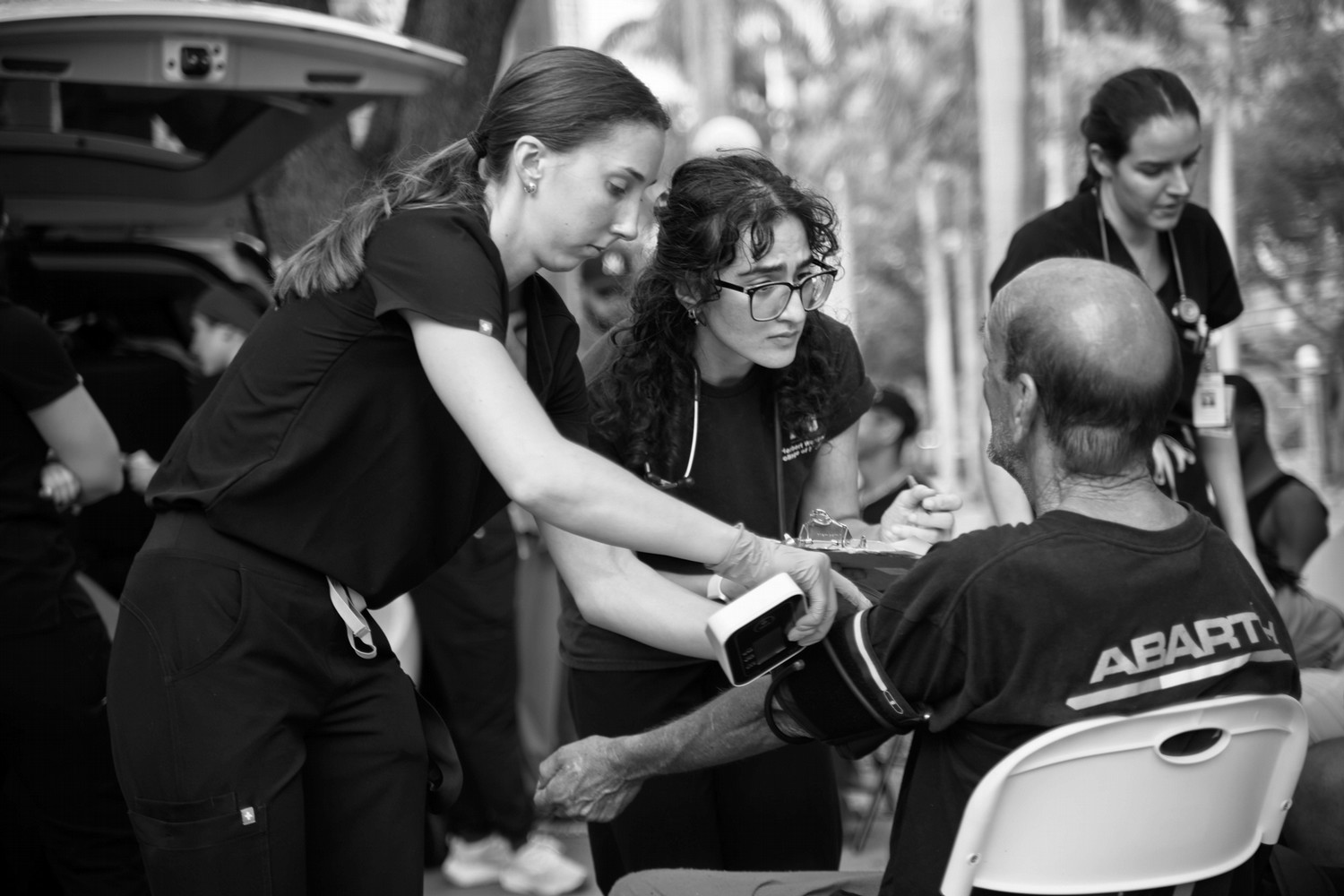

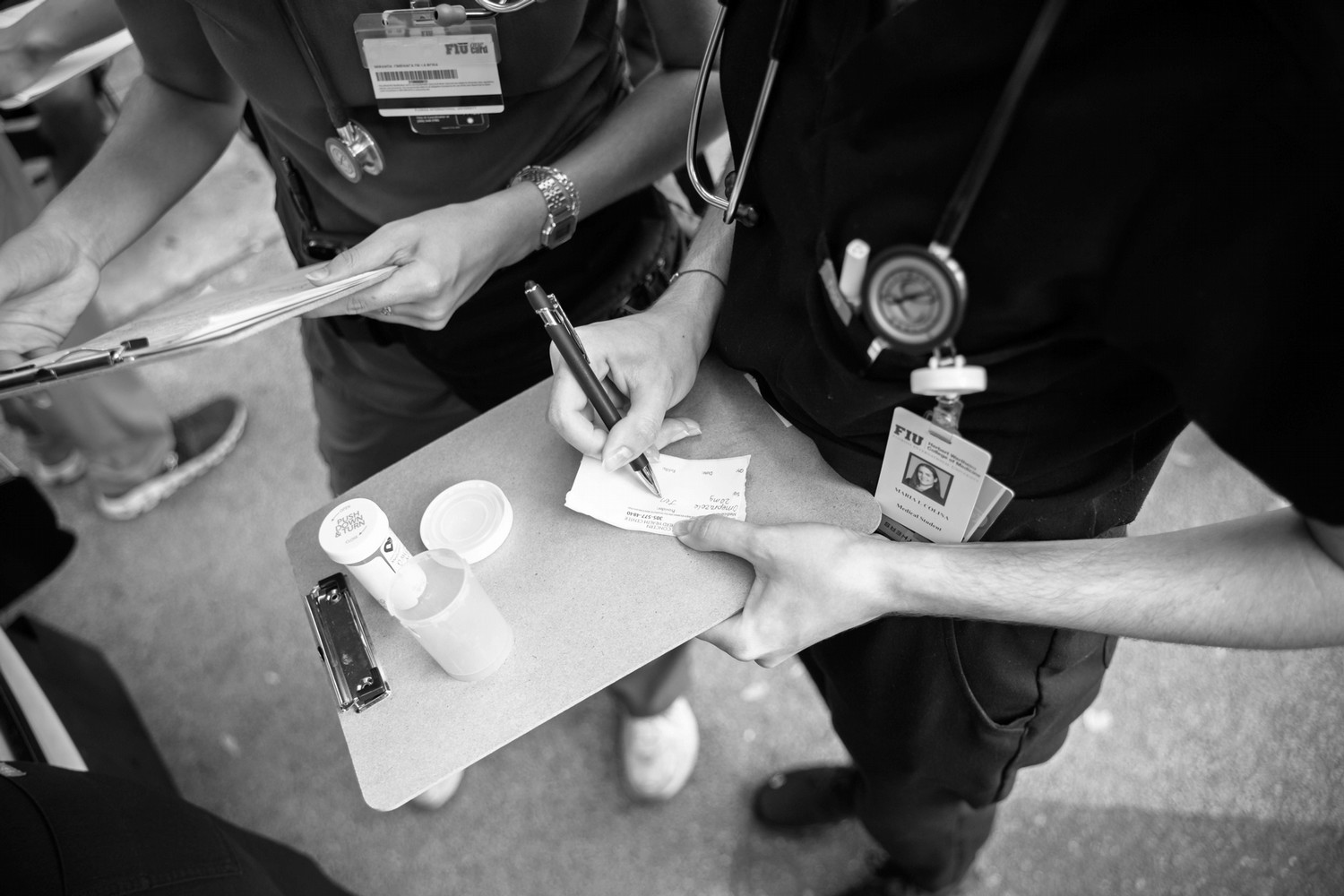

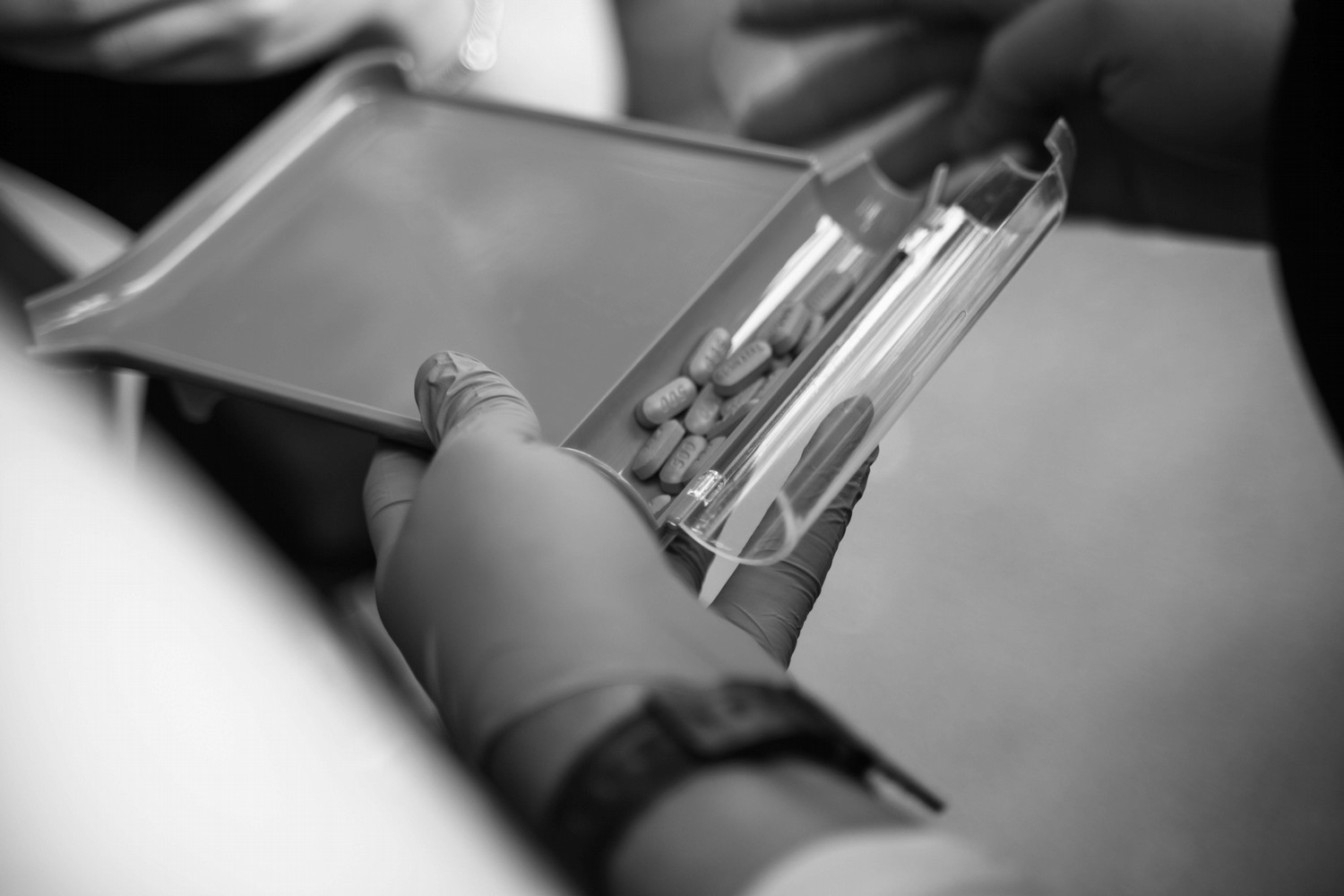
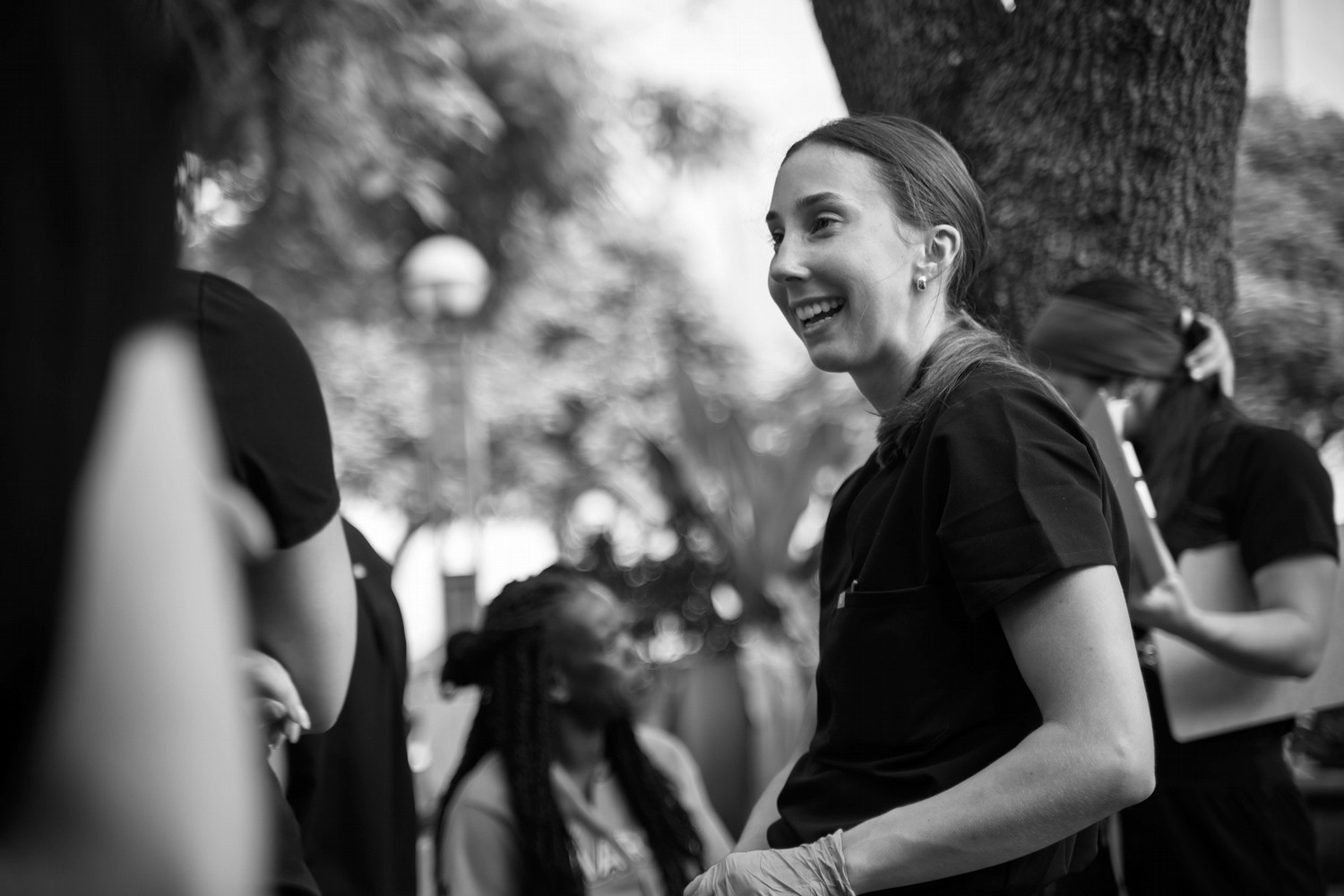
“When our students put their learning into action on the streets of downtown Miami, they are about as far as you can get from the controlled environment of the classroom,” said Ruiz-Castañeda. “It’s incredibly gratifying to see these future doctors taking time out of their busy schedules to serve the most vulnerable in our community—even more so to see the heart and compassion with which they care. Many of our students intend to volunteer once and then come back again and again.”
Dr. Chandra Jennings of Camillus Health Concern has served as the street medicine instructor for FIU HOME since the initiative’s inception. Jennings sees the medical students as invaluable, helping to extend care beyond service hours.
“We really see the FIU students with the HOME program as community partners,” she added. “They are not only clinicians in training, but they are now leaders who take accountability for the service that they provide. They’re dependable…their concern and care are what you want to have as members of the community.”
Beyond services provided, the program has also prompted curriculum changes at FIU Medicine. Today, greater emphasis is placed on housing as a social determinant of health and training in naloxone administration.
For Perez, Khan and their peers, the Thursday outreaches are more than service hours. They are formative encounters that strip medicine to its essentials—listening, adapting, seeing the whole person—and send students into the rest of their careers better prepared to care for every patient, especially those society most often overlooks.